

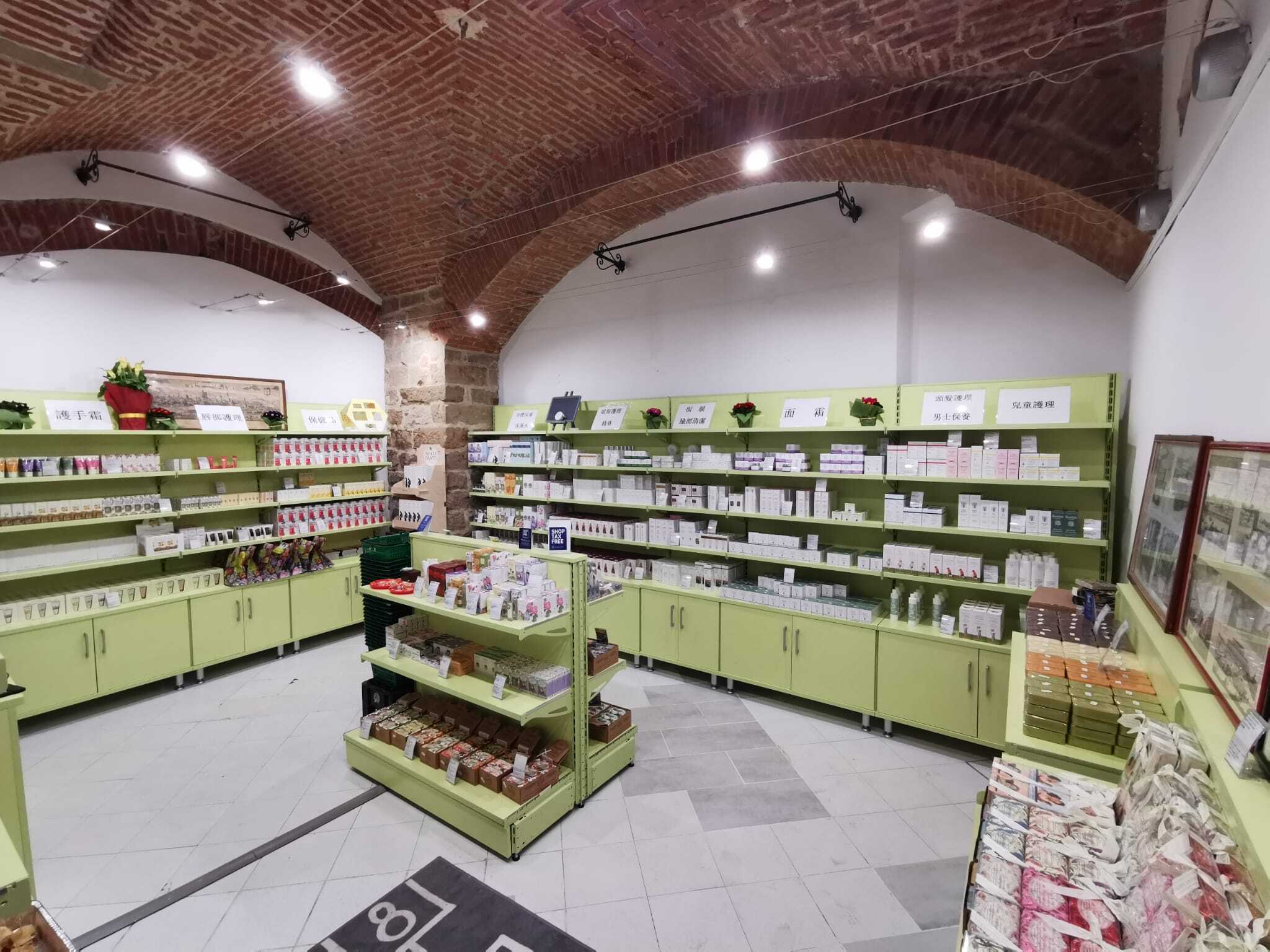
When designing an herbal store, one of the most delicate challenges is balancing display space, operational efficiency, and brand identity. In many cases, the need to allocate valuable square meters to storage reduces the available sales area and limits opportunities to create a distinctive retail environment.
A project developed using the TN9 shelving line demonstrates how display and storage can be integrated into the same layout, preserving the store's identity while making the most of every available square meter. This principle can also benefit other retailers looking to maximize the value of their existing space without sacrificing functionality or visual appeal.
Why Hidden Space Matters as Much as Visible Space
In many retail stores, the focus is primarily on product presentation. However, daily operations also depend on having adequate space for stock management, replenishment, and product organization.
When these functions are separated from the sales floor, retailers often have to sacrifice part of their commercial space. In urban locations or stores with limited floor areas, this decision can significantly restrict both display capacity and design flexibility.
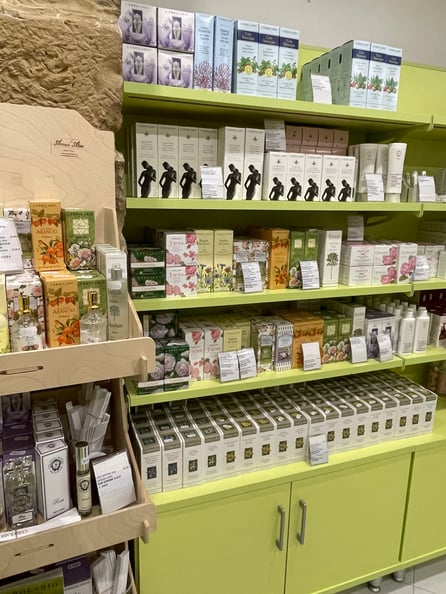
Integrating Storage into the Layout Can Become a Strategic Choice
Adding a separate stockroom is not always the best solution. In some situations, it is more effective to design display systems capable of serving both a commercial and an organizational function at the same time.
In this herbal store project, storage space was integrated into the lower section of the shelving units. This configuration allowed stock to remain close to the sales area, simplifying daily operations while freeing up more space for product displays.
This approach can help to:
- maximize the sales area;
- eliminate the need for a separate stockroom;
- speed up replenishment processes;
- maintain greater design continuity throughout the store.
The value lies not only in optimizing space, but also in achieving a better balance between operational efficiency and customer experience.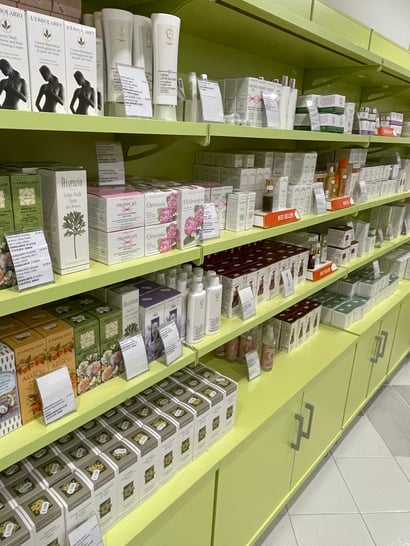
The Identity of an Herbal Store Is Also Built Through Color
In specialized retail, store fixtures serve more than just a functional purpose. Materials, finishes, and colors help create a perception that aligns with the store's positioning.
In this project, the color finish selected for the TN9 shelving line was specifically developed to reflect the herbal store's natural and elegant character while blending seamlessly with the building's retro architecture. The shelving therefore becomes more than a display structure; it becomes a key part of the store's visual language.
For customers, this creates a more distinctive and consistent shopping environment. For retailers, it strengthens brand identity without introducing elements that clash with the existing architectural context.
When Customization Creates Long-Term Value
Customization is not only about aesthetics. A well-coordinated design choice helps maintain consistency between brand image, daily operations, and space utilization.
In this herbal store, the combination of a tailored shelving configuration and a dedicated color finish addressed two needs at the same time: creating visual differentiation while improving operational efficiency.
This offers an important lesson for any retail project: effective customization is customization that improves the functionality of the space, not just its appearance.
The Importance of Durability in Long-Term Retail Decisions
The TN9 line was also selected for its strength and reliability, qualities that have earned it the nickname "The Immortal".
When store fixtures become an integral part of a retailer's identity, durability takes on added importance. Frequent replacement of shelving systems can disrupt visual consistency and generate additional costs over time.
For this reason, evaluating a shelving system should not be limited to its initial impact. Retailers should also consider its ability to maintain functionality, appearance, and consistency throughout its lifecycle.
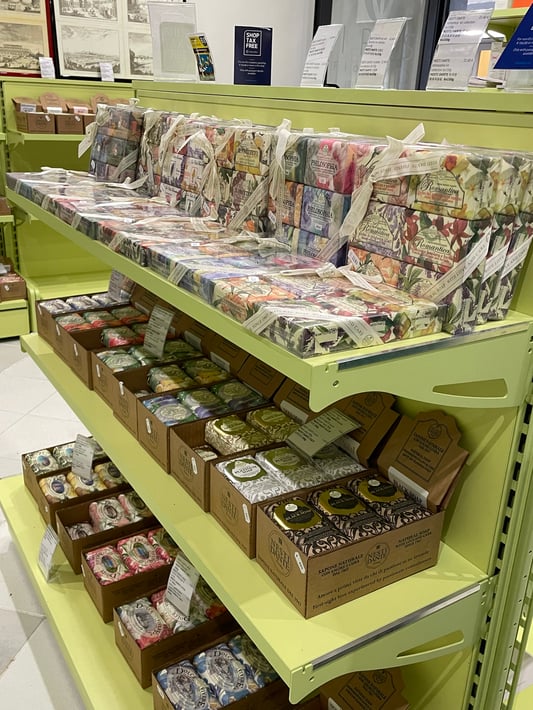
A Lesson That Applies Beyond Herbal Stores
The principle behind this project is simple: when display, storage, and brand identity are designed together, a retail space can generate greater value without necessarily increasing its footprint.
This herbal store demonstrates how an apparently technical decision, such as shelving configuration, can influence broader aspects of the business, including brand perception, daily operations, and overall store efficiency. It is precisely through the integration of these elements that the most effective retail environments are created.
FAQ
Is it possible to completely eliminate a stockroom in an herbal store?
It depends on the available floor space, the number of product lines, and the store's operating model. In some cases, integrating storage into shelving systems can reduce or completely eliminate the need for a dedicated storage area. This can make store management and replenishment faster and easier, resulting in lower operating costs.
Why is integrating storage into shelving systems beneficial?
Shelving configurations that also provide storage capacity keep stock closer to the sales floor, making daily replenishment easier. This can help reduce operational costs while maximizing the return on investment (ROI) of the shelving system.
How important is color in the design of an herbal store?
Color plays a major role in shaping the perception of a store's identity. It can help create consistency between the furnishings, displayed products, and the architecture of the building, resulting in a truly distinctive customer experience. The experience customers have in the store is a key factor influencing purchasing decisions.
Is customization only about aesthetics?
No. Effective customization also involves space configuration, as demonstrated in this business case. Operational functionality and display organization improve overall store utilization and make maintenance easier over time.
What factors should be considered when selecting shelving for an herbal store?
When evaluating shelving solutions for an herbal store, retailers should consider not only display capacity and configuration, but also integration with the store's brand identity, stock management requirements, structural durability, and the ability to support future operational needs and reconfigurations.