

In today’s retail environment, product quality alone is not enough.
Customers evaluate value not only based on the product itself, but also on how it is presented within the store.
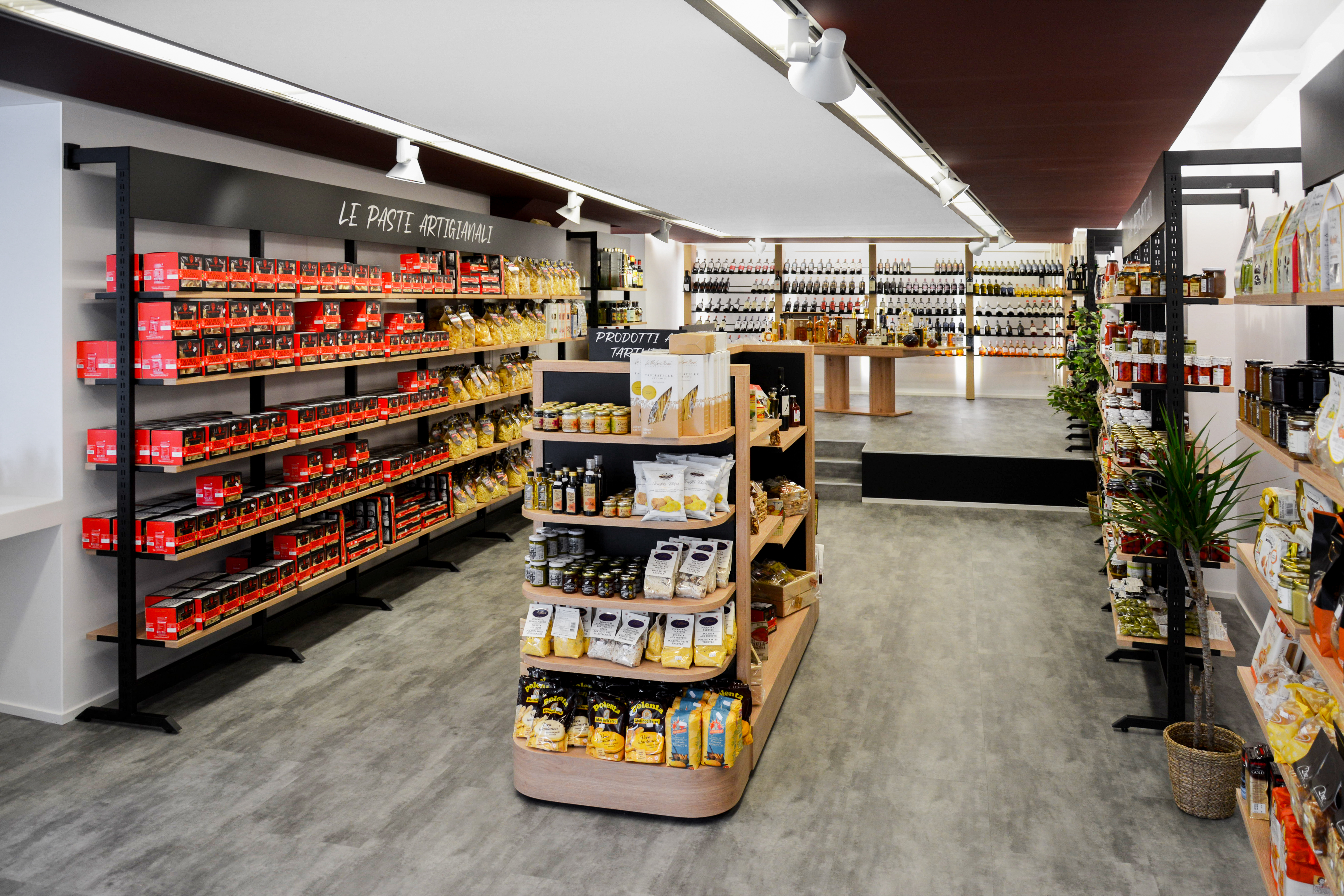
Layout, materials, lighting and display choices all contribute to shaping the perceived value of a product, influencing purchasing decisions and customer trust.
The answer: a retail layout designed to elevate perception
To increase perceived value, the store environment must communicate quality, attention to detail and coherence.
CAEM developed a solution based on a careful study of layout and materials, creating a space that enhances the products without overwhelming them.
The goal is not to add complexity, but to create a balanced environment where every element supports the product.-2.jpg?width=2016&height=1512&name=Giuseppe%202021%20(62)-2.jpg)
Combining metal and wood to communicate quality
One of the most effective strategies to enhance perceived value is the use of materials.
By combining metal structures with wooden elements, the display achieves:
a sense of solidity and durability,
a warm and premium visual identity,
a balanced contrast between technical and natural materials,
a more refined and curated store atmosphere.
This combination helps communicate quality even before the customer interacts with the product.
Angled displays: when details make the difference
Display details play a crucial role in how products are perceived.
For example, angled wine displays are not only visually appealing but also functional.
Keeping bottles at an angle:
helps maintain cork moisture,
prevents air from entering the bottle,
reduces the risk of premature oxidation,
preserves the wine’s aroma and structure.
This type of display communicates expertise and care, reinforcing the perceived value of the product.
-2-2.jpg?width=798&height=463&name=Giuseppe%202021%20(62)-2-2.jpg)
A layout that supports product storytelling
A well-designed retail space allows products to stand out naturally.
Instead of overcrowding the environment, the layout should:
guide the customer through the assortment,
highlight key categories,
create visual rhythm and balance,
encourage longer dwell time in-store.
This approach transforms the store into an experience, not just a point of sale.
Custom solutions tailored to the retailer’s vision
Every retail concept is different.
For this reason, CAEM develops custom modular solutions that adapt to the client’s needs, from initial concept to final installation.
This flexibility ensures that the final result reflects the retailer’s identity while maintaining functionality and efficiency.-2.jpg?width=407&height=542&name=Giuseppe%202021%20(68)-2.jpg)
When perceived value becomes a competitive advantage
Increasing perceived value means positioning products at a higher level in the customer’s mind.
It allows retailers to:
justify pricing strategies,
differentiate from competitors,
enhance customer experience,
build long-term loyalty.
Through material choices, layout design and display solutions, CAEM supports retailers in creating environments where products are not only seen, but truly valued.
FAQ
What does “perceived value” mean in retail?
Perceived value refers to how customers judge the quality and worth of a product based on its presentation, environment and overall shopping experience, not just its intrinsic features.
How can store design increase perceived value?
Through layout clarity, material selection, lighting and display techniques that highlight the product and create a premium, organised and coherent environment.
Why combine wood and metal in retail displays?
Because this combination balances warmth and technical strength, creating a more refined and high-quality perception of the store and its products.
Do display details really influence sales?
Yes. Small details, such as angled displays or material finishes, can significantly impact how products are perceived and can influence purchasing decisions.
Are custom retail solutions important?
Absolutely. Tailored solutions allow retailers to align the store environment with their brand identity, improving both functionality and customer perception.

.png)